The first half of 2026 has brought significant changes to the global logistics industry. From evolving shipping routes to new maritime regulations and China's continued investment in digital infrastructure, the way goods move around the world is changing rapidly.
For companies involved in international trade, these developments highlight the growing importance of flexible transportation solutions, supply chain visibility, and technology-driven logistics management.
At SEDIS Logistics, we continue to monitor global logistics trends to help businesses better understand market changes and optimize their international supply chains.
Here are three key updates in 2026 shaping the future of international logistics.
MSC Expands Alternative Logistics Solutions for Europe–Middle East Trade
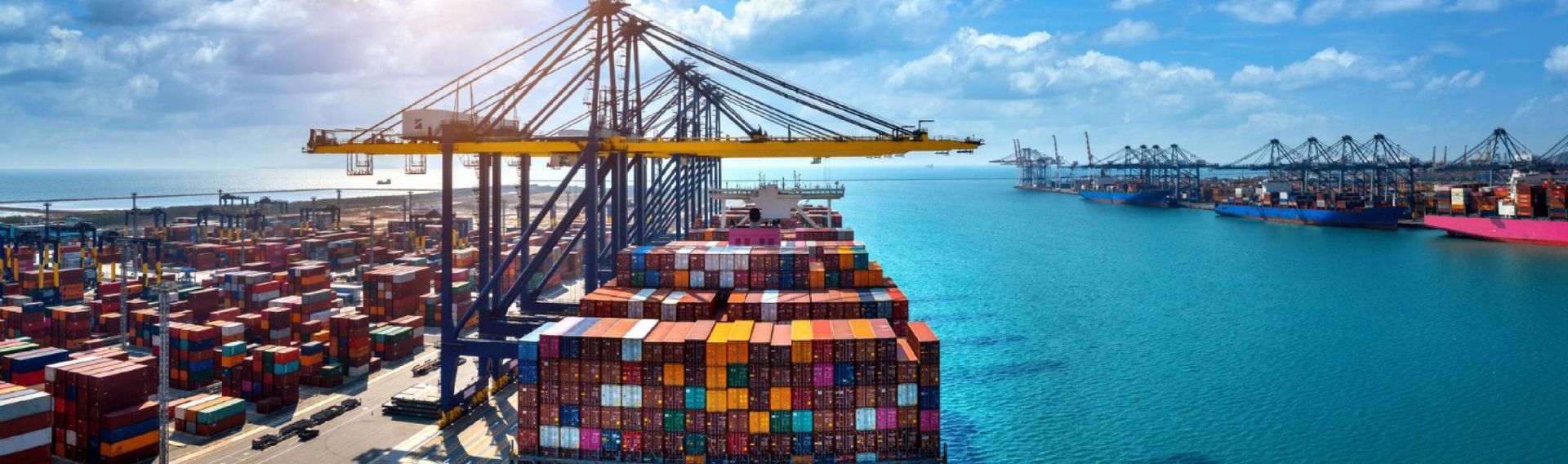
Growing geopolitical uncertainty around key maritime routes has pushed global shipping companies to rethink traditional transportation networks.
MSC has been adapting its services and exploring alternative solutions to maintain stable connections between Europe and Middle Eastern markets, reducing dependence on vulnerable maritime chokepoints such as the Strait of Hormuz.
The development reflects a wider trend in international logistics: carriers are increasingly combining different transportation modes, including:
- Ocean freight
- Inland transportation
- Regional feeder networks
This shift toward multimodal logistics solutions allows companies to maintain more flexibility when facing unexpected disruptions, while improving supply chain continuity.
For businesses shipping internationally, route diversification is becoming an increasingly important part of logistics planning. Choosing the right combination of transportation methods, ports, and regional networks can help reduce risks and maintain reliable cargo flows.
IMO Introduces the First Global Framework for Autonomous Ships

The maritime industry reached an important milestone with the adoption of the International Maritime Organization (IMO) Code for Maritime Autonomous Surface Ships (MASS Code).
The new framework provides international guidance for the development and operation of autonomous and remotely controlled commercial vessels.
The MASS Code focuses on key areas including:
- Autonomous and remote vessel operations
- Navigation safety
- Cybersecurity
- Risk management
- Human oversight
Although autonomous shipping is still developing, this regulation marks an important step toward a more digital maritime industry.
Technology is no longer transforming only warehouses and logistics platforms. It is also reshaping vessels, ports, and transportation networks themselves. Over the coming years, automation and artificial intelligence are expected to play a larger role in improving efficiency, safety, and visibility across global shipping operations.
China Accelerates Smart Port Development
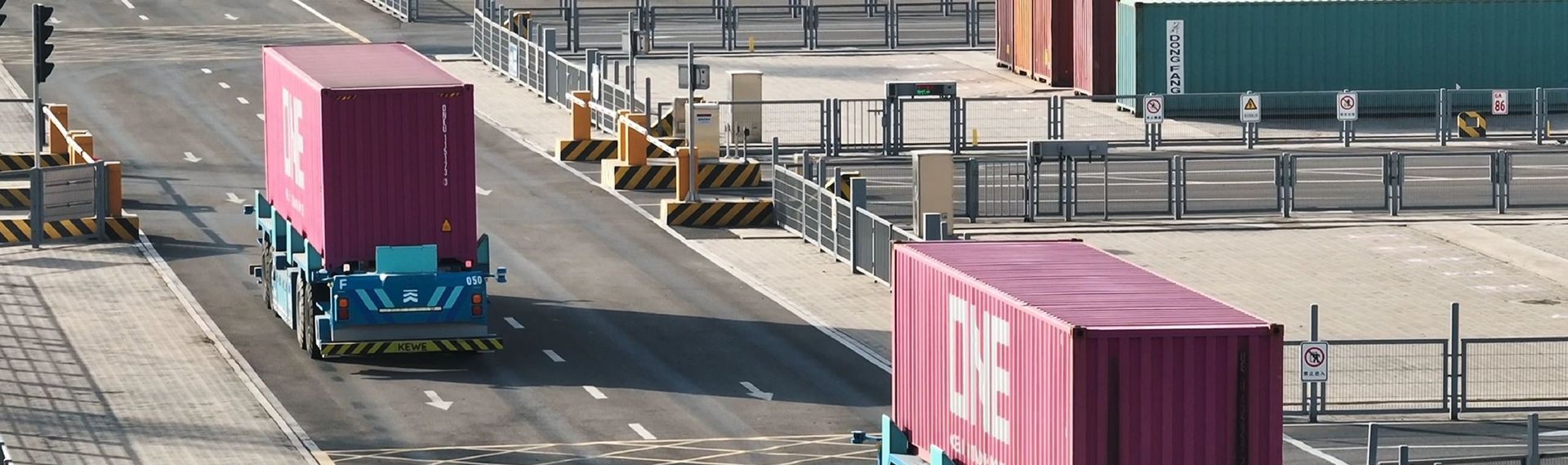
China continues strengthening its position as a global logistics hub through further investment in smart port technologies and digital infrastructure.
The latest modernization efforts focus on technologies such as:
- Automated container terminals
- Artificial intelligence applications
- Autonomous handling equipment
- Digital twin systems
- 5G-enabled port operations
- Green logistics solutions
Major international gateways, including Shanghai, Ningbo-Zhoushan, Qingdao, Tianjin, and Guangzhou, are expected to continue leading China's smart port transformation.
For companies importing and exporting through China, smarter ports mean improved cargo visibility, faster operations, and more efficient connections between manufacturers, ports, and global markets.
As digital technologies become increasingly integrated into logistics operations, supply chain data and operational transparency will become key factors when selecting logistics partners.
Three Key Trends Shaping International Logistics
These developments highlight three major changes influencing the future of global supply chains:
1. More resilient logistics networks
Companies are moving beyond traditional shipping routes and increasingly adopting flexible solutions that combine multiple transportation methods.
2. Digital transformation of logistics
Automation, artificial intelligence, and smart infrastructure are changing how cargo is transported, tracked, and managed.
3. Greater focus on supply chain flexibility
In today's uncertain environment, businesses need logistics partners that can provide reliable solutions, alternative options, and local expertise across different markets.
How SEDIS Logistics Supports Global Supply Chains
The logistics industry is entering a new era defined by connectivity, flexibility, and digital innovation.
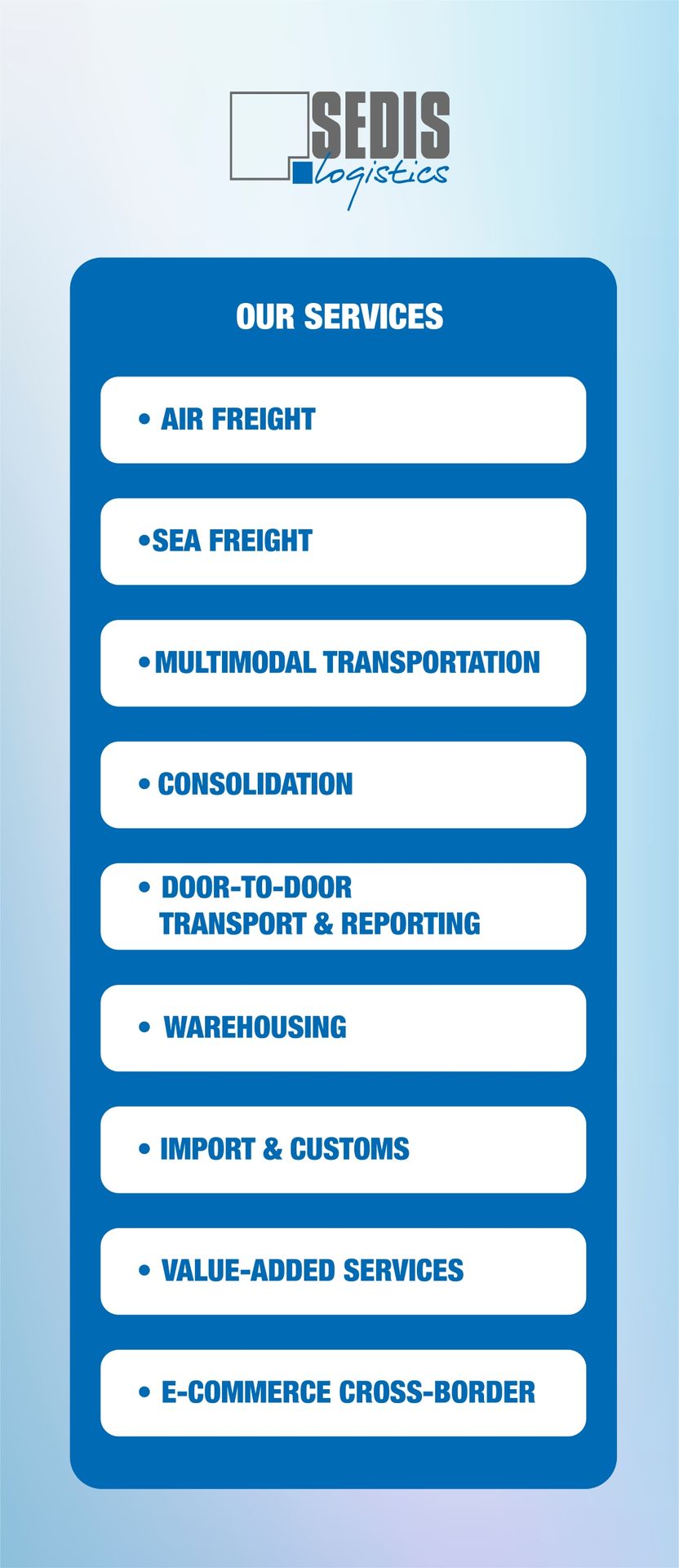
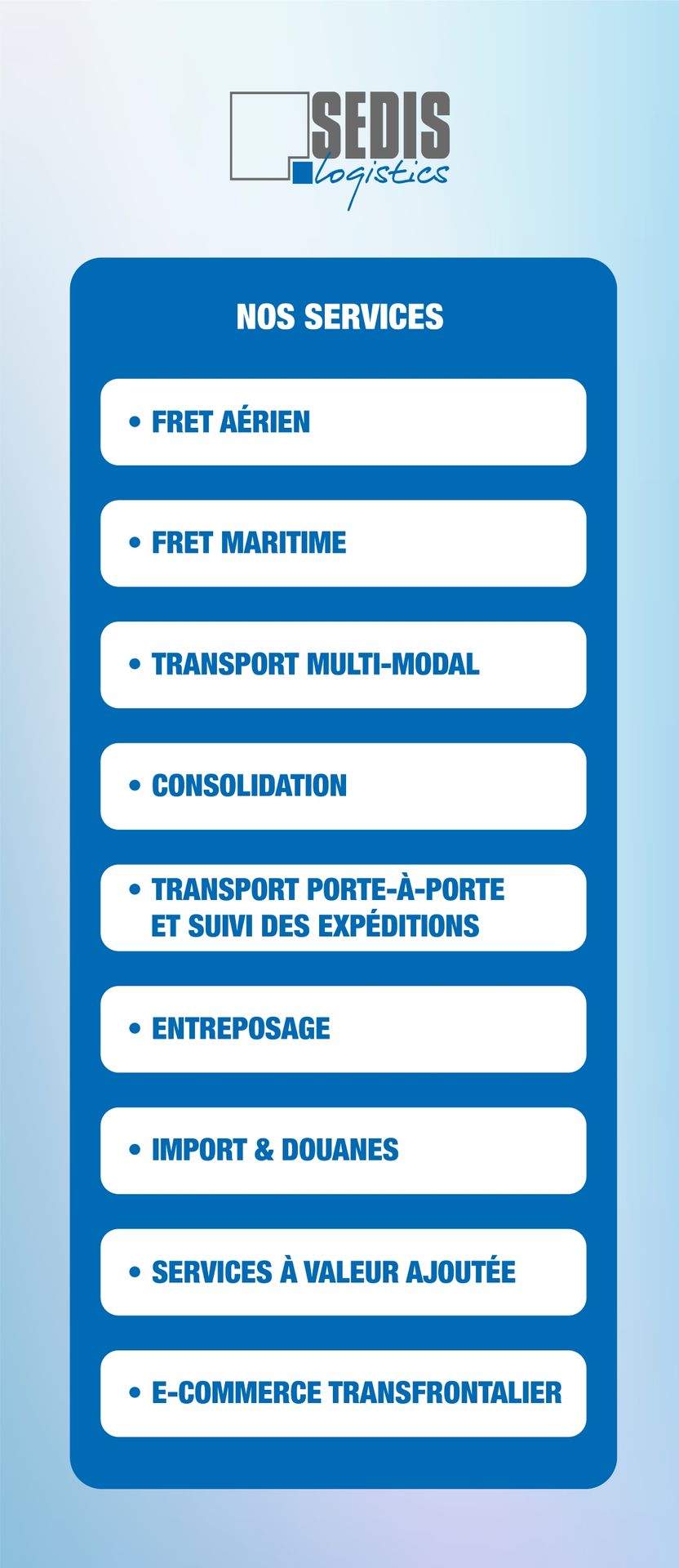
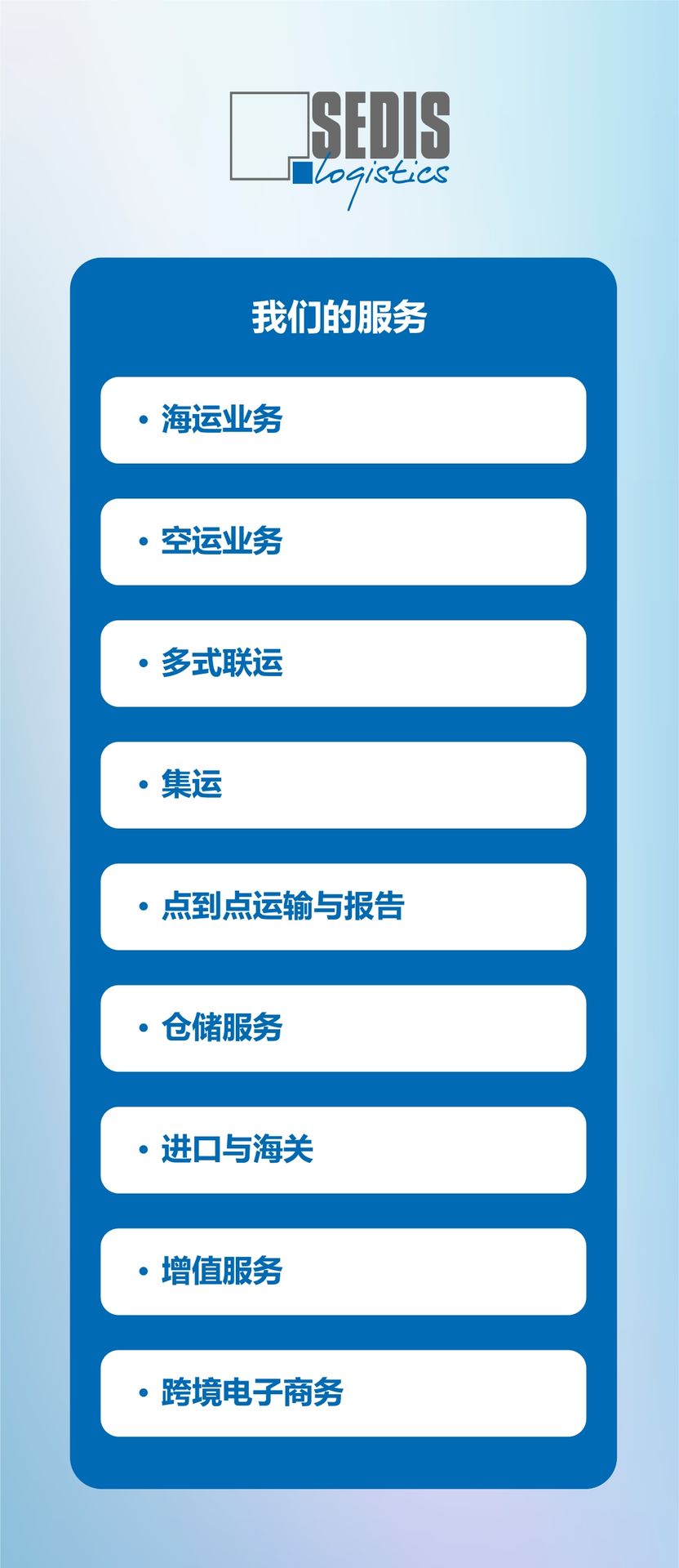
At SEDIS Logistics, we provide integrated international freight forwarding, ocean freight, air freight, multimodal transportation, customs clearance, warehousing, and door-to-door logistics solutions connecting China with Southeast Asia, Europe, the Middle East, and global markets.
With local expertise and international logistics capabilities, we help businesses manage complex supply chains and adapt to an increasingly dynamic global trade environment.
Follow SEDIS Logistics for the latest China logistics news, international shipping updates, and supply chain insights.
SEDIS Logistics, strong of 18 years of expertise, provides you with the most adapted logistic solution to fit your needs and ensure you enjoy the benefits of smooth operations.
Thanks to our eight offices, including six conveniently located on China's east coast logistic hubs (Shanghai, Ningbo, Xiamen, Ningbo, Shenzhen and Hong Kong), its two branches in Ho Chi Minh City, Vietnam, and Phnom Penh, Cambodia, and its worldwide network of logistic experts, SEDIS Logistics accompanies you at every step of your product's journey from, to and within Asia.
Our Values
Get in touch with our teams!
Contact Us
SEDIS Logistics, fort de 18 ans d'expertise, vous fournit la solution logistique la plus adaptée à vos besoins, pour une chaîne d'approvisionnement et des expéditions fluides.
Grâce à nos huit bureaux, dont six idéalement situés sur les hubs logistiques de la côte est de la Chine (Shanghai, Ningbo, Xiamen, Qingdao, Shenzhen et Hong Kong), ainsi que nos deux branches à Ho Chi Minh Ville, au Vietnam, et Phnom Penh, au Cambodge, à l'expertise de notre société mère européenne et à notre réseau mondial d'experts logistiques, SEDIS Logistics vous accompagne à chaque étape du voyage de vos produits, vers, depuis et en Asie.
Nos Valeurs
Contactez Nos Equipes
SEDIS Logistics, 凭借18年的专业经验,都会为您提供最适合的物流解决方案,确保您的运营顺畅无忧。
得益于我们在中国东海岸的六个重要物流枢纽(上海、青岛、厦门、宁波、深圳和香港)、在越南胡志明市和柬埔寨金边的两个分支机构,以及全球网络中的物流专家,SEDIS Logistics 将陪伴您每一步,从亚洲到亚洲,以及在亚洲内部的整个货物运输过程。
我们的价值观
联系我们
Sources:
ME Observer | MSC Launches Strategic Europe–Gulf Trade Corridor to Bypass Hormuz Risks: https://meobserver.news/trade/2026/05/07/msc-launches-strategic-europe-gulf-trade-corridor-to-bypass-hormuz-risks/
IMO | IMO adopts first global Code for autonomous ships: https://www.imo.org/en/mediacentre/pressbriefings/pages/imo-adopts-mass-code.aspx#:~:text=The%20MASS%20Code%20sets%20out,expected%20of%20a%20conventional%20ship
TEDA | China Accelerates Push for Green, Smart Port https://invest.teda.gov.cn/contents/2810/103159.html
Image Source: freepik